on maduro’s ouster.
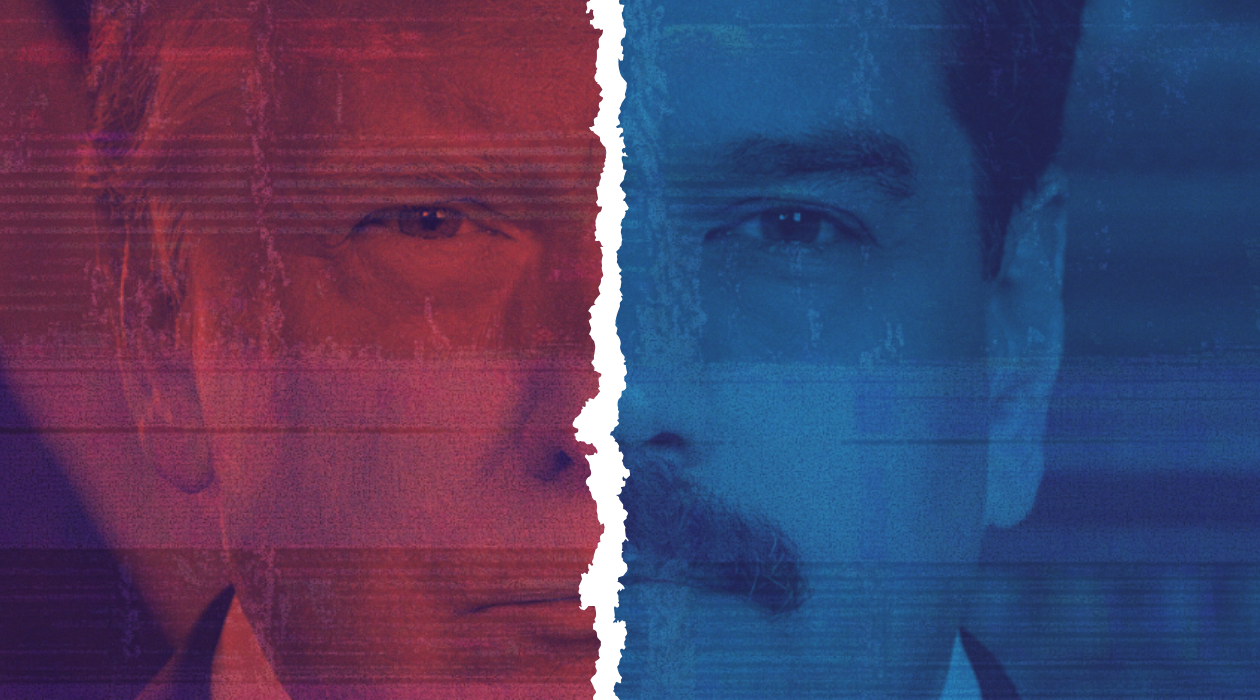
I was woken by my mother at 4 a.m. on Saturday.
"Le sacaron a Maduro," she said — they got him.
The next six hours were spent waiting for Donald Trump's 11 a.m. press conference, watching the news cycle churn with explosions in Caracas, speculation about who knew what when, and the surreal feeling of watching American military force reshape my homeland in real time.
Then Trump said what I've dreaded any American president saying about Venezuela since Hugo Chávez was first elected: "We are going to run the country until such time as we can do a safe, proper and judicious transition."
Twenty-four hours later, after Marco Rubio spent Sunday morning on the talk show circuit, we still don't know what that means. When pressed on about whether the U.S. plans to occupy Venezuela, Rubio dodged. "We're going to make decisions based on their actions and their deeds in the days and weeks to come." The oil blockade stays, the leverage continues, but the plan remains vague at best.
What we do know is that it means ignoring the will of the Venezuelan people and the results of the 2024 election. It means sidelining María Corina Machado, who bent herself into incomprehensible positions to appease this administration by dedicating her Nobel Prize to the man who gloats about extrajudicial killings off Venezuelan shores and put American boots on the ground for Nicolás Maduro's unsanctioned abduction.
Instead, Trump announced he'd work with Delcy Rodríguez, Maduro's vice president and a regime loyalist. Trump claimed she was "essentially willing to do what we think is necessary to make Venezuela great again." Hours later, Rodríguez went on Venezuelan state television and declared Maduro "the only president" of Venezuela and demanded his immediate release.
While expats like me spent Saturday watching cable news and debating what comes next, Venezuelans in Caracas woke up not knowing where their next meal would come from. Banks shut down. The power grid, already fragile, became more unstable. Supply chains collapsed overnight. The people Trump claims to be liberating are the ones bearing the immediate cost of the Trump brand of freedom.
In Doral, Florida, there were celebrations with flags, music and tears of relief that Maduro was gone. This is the same Doral where Venezuelans were fleeing just four months ago because of Trump's anti-immigrant enforcement policies. Now his foreign policy is ready to ruin our homeland. Trump announced that oil companies will move in to "fix the badly broken infrastructure," but somehow extract wealth for the people of Venezuela. Meanwhile, distressed debt vultures are already circling, ready to pick apart what's left of the economy Maduro spent years destroying.
This is what the Trump administration's "concern" for Venezuela looks like. It's not democracy or self-determination, but an extraction of resources with American corporate interests leading the way.
This is also the same administration that spent years telling Americans that new arrivals from Venezuela and elsewhere were the problem. We are why your rent is too high, why you can't find work, why health care bankrupted families. Campaign ads showed desperate people at the border as invaders and framed asylum seekers as criminals. Politicians competed to see who could be cruelest, who could promise the most dramatic crackdown.
The housing shortage isn't caused by Venezuelan families sleeping four to a room in a basement apartment. Health care isn't unaffordable because migrants who avoid any interaction with institutions are forced to use emergency rooms. Wages aren't stagnant because immigrants take jobs that employers seek them out for. But it's easier to point at desperate people and blame them for why your life is hard.
It’ll be hard for me to ever believe Trump cares about the welfare of Venezuelans, especially those who fled to the southern border, desperate for help. Or the ones still in Venezuela, unsure where their next meal will come from. We appear useful when we serve his purposes — as scapegoats for America's failures or as justification for seizing oil tankers — and forgettable the rest of the time.
Whatever comes next shouldn't be more of the same. We need leaders, Republican and Democrat, who have the capacity to choose policy over propaganda and understand that their job is solving America's actual problems while treating desperate people with basic human dignity.
Immigration itself deserves serious debate: how many people we can integrate and how quickly, what resources communities need, and how we balance humanitarian obligations with practical capacity. But we can't have that debate when one party treats "immigrant" as a slur and the other is too afraid to defend its own policies.
We need leaders who will do the work and tell the truth about what's broken and why. Leaders who understand that if you claim to care about Venezuelans fleeing authoritarianism, you can't turn around and villainize them when they show up asking for help. If you can't find those leaders on the ballot, support someone who will.
Venezuelan-Americans like me get to watch this from a distance, cheering or despairing depending on our politics. The Venezuelans still there have to live through it — watching American corporations and debt collectors line up to claim what's left of their country while Trump says he's doing them a favor. This is what happens when we reward cynicism instead of governance and let politicians blame immigrants for problems they have no intention of fixing.
Maduro's gone. The bottles of Cerveza Polar clinked in our expat enclaves. But I've not seen anything to reassure me that any of the actual problems — here or there — will get any better without Americans demanding more of ourselves and the people we entrust with our democracy.
